
Hartsfield-Jackson Atlanta International Airport is not only known for being the busiest airline hub in the world. It’s also known for being the home base of Delta Air Lines, which has turned the southern city into a key connecting point in its global network. Given the carrier has over 75% market share, it is easy to understand how the two aviation giants have become so closely associated.
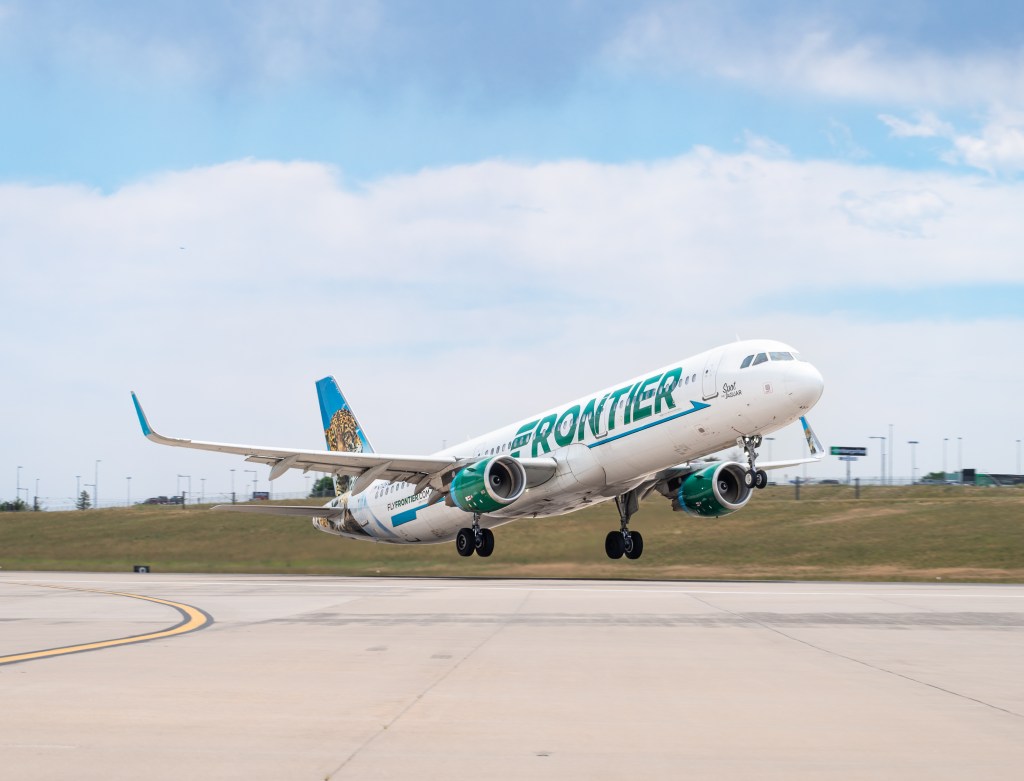
However, a subtle change is happening among the other carriers serving Georgia’s capital. Frontier Airlines has just become Atlanta’s second-largest carrier, now accounting for over 5% of passengers flown through the airport. But how did the Denver-based airline manage to find its footing in such a competitive market? The answer begins with Southwest Airlines.
Southwest Reduced Its Atlanta Footprint
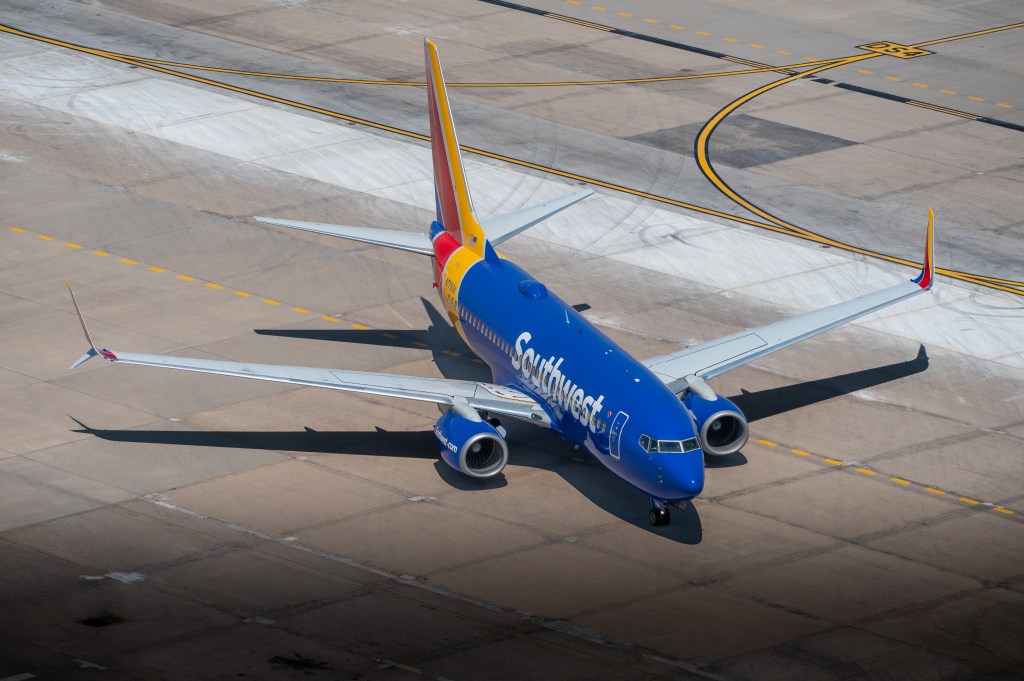
Frontier’s growth in Georgia was likely catalyzed by Southwest Airlines’ shrinking presence at Atlanta Airport. Formerly the hub’s second-largest operator, the carrier announced sweeping cutbacks in September 2024, according to CNBC. The schedule reduction saw the airline cut 16 routes and forfeit 7 gates on the airport’s Concourse C. It also cut 200 flight attendant jobs and over 100 pilot jobs that were previously based in Atlanta.
Southwest has traditionally appealed to budget-conscious flyers, so Frontier likely saw an opportunity to win over passengers that would have otherwise flown Southwest. In the past year, the carrier has notably increased its Atlanta schedule as its rival continues to shrink.
Prior to its acquisition of AirTran, Southwest had never served Hartsfield-Jackson Airport. The carrier had traditionally avoided expensive hubs, opting for secondary gateways that allowed them to maintain a lower cost structure. But as costs inflated in the late 2000s, the carrier recognized its need to enter higher-yield markets. Merging with AirTran would give Southwest immediate access to substantial infrastructure in Atlanta, a potentially lucrative destination.
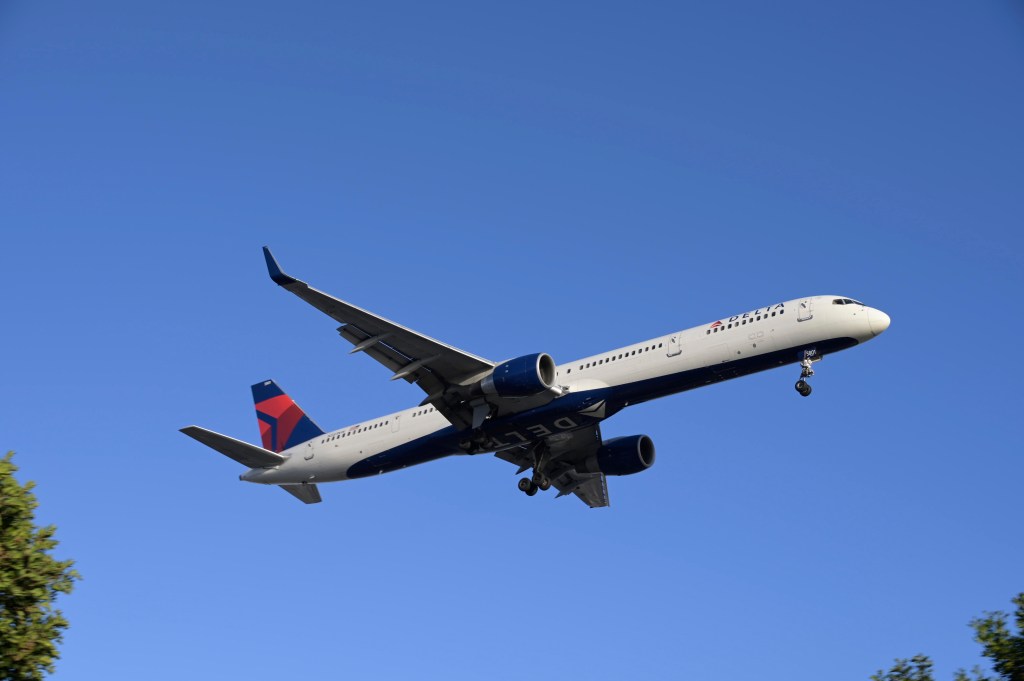
Initially, some speculated that Southwest’s arrival in Atlanta would challenge Delta’s dominance. However, the arrival of the low-cost carrier only strengthened its legacy rival’s positioning. The costs associated with bringing AirTran employees up to Southwest’s pay scale weakened the airline’s ability to bring dramatically lower fares to the market. Meanwhile, Southwest’s lack of a business class cabin allowed Delta to better appeal to premium passengers.
In May 2011, when the Southwest-AirTran deal closed, AirTran boasted 17% market share in Atlanta (according to DTS). However, by May 2019, Southwest retained only 10% market share. This suggests Atlanta was not the success Southwest had hoped for. Frontier, however, seems to have ambitious plans for the city.
Frontier Operates A Robust Atlanta Schedule
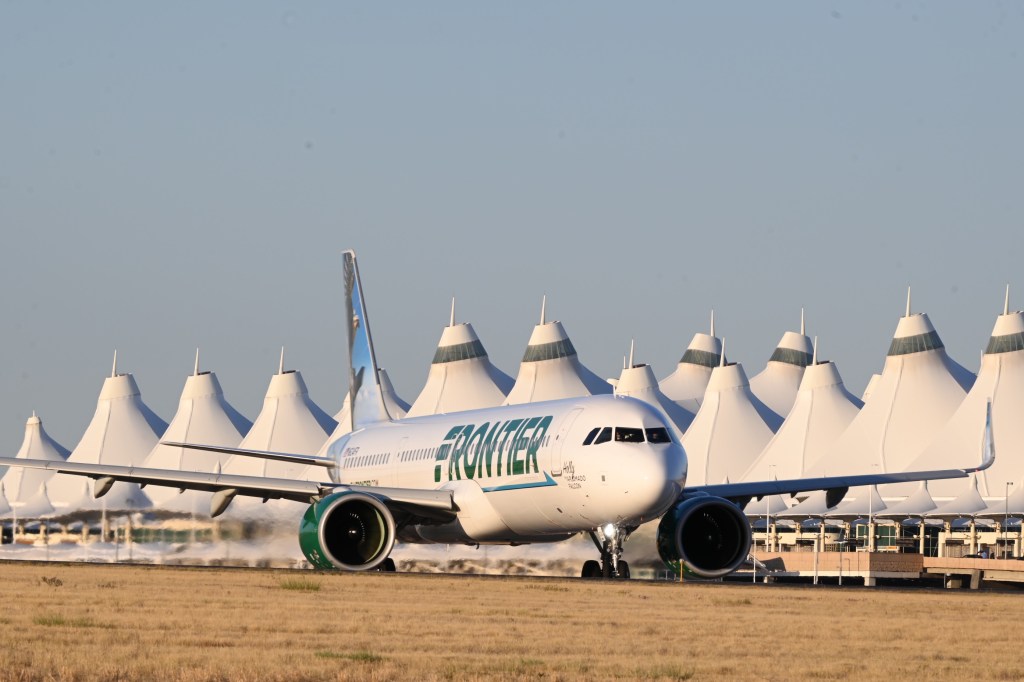
Frontier will operate an average of almost 70 daily flights at ATL in Q2 2026, according to Simple Flying. The airline will serve 60 routes from the Georgia hub, which include a mix of domestic and international frequencies. These additions have helped Atlanta outgrow Frontier’s other top cities, Denver and Orlando, which have historically retained the title of Frontier’s busiest bases.
Frontier’s operations in Georgia have grown significantly, even compared to last year. Its daily departures from ATL have swelled by over 50% compared to the same period in 2025. This means that the carrier jumped from 44 daily departures to 69, while Southwest has shrunk from 55 to just 43. Frontier has claimed a very distant second place position behind Delta Air Lines, but the shift suggests that the carrier is finding success at the world’s busiest airport.
 Runway Watch
Leave a comment